Open 24/7, Monday to Sunday | Serving Philadelphia since 2017(267) 489-9261
Aria Dumpster RentalDumpster Rental Philadelphia, PA
Dumpster Rental Philadelphia, PA

Local debris service

Dumpster Rental Philadelphia, PA

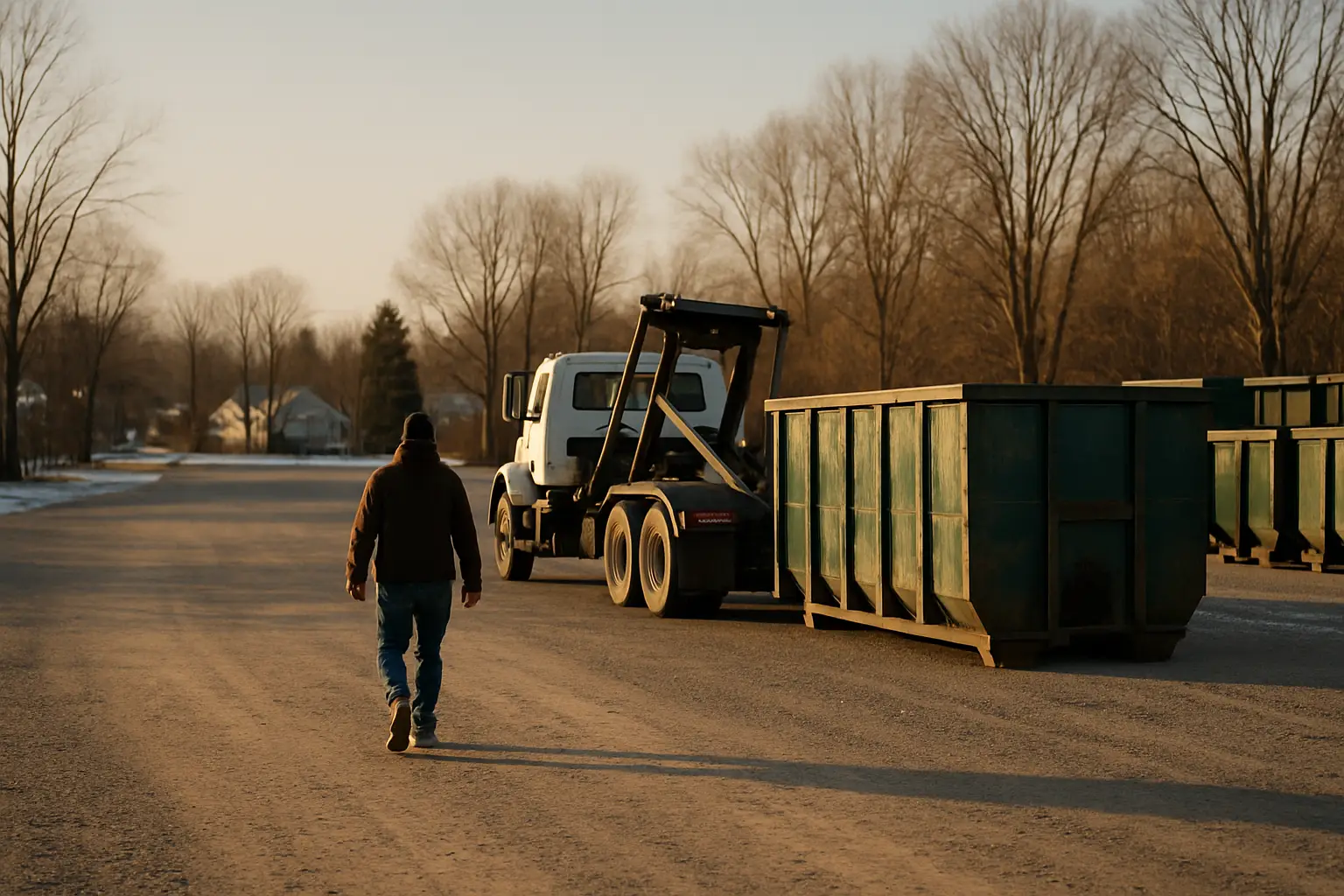
Aria Dumpster Rental confirms container placement and pickup windows, with photo records tied to each delivery.

Dumpster Rental Philadelphia, PA is how Aria Dumpster Rental handles renovation debris, household cleanouts, roofing waste, and property projects. We help choose a container that fits the material and the access, then coordinate placement around your driveway, alley, street frontage, or commercial site. Service is available 24/7, Monday to Sunday.

  • Licensed, bonded and insured
  • Serving since 2017
  • 4369 containers delivered
  • Open 24/7, Monday to Sunday
  • Serving Philadelphia County

Local hauling crew

Philadelphia projects need practical container planning

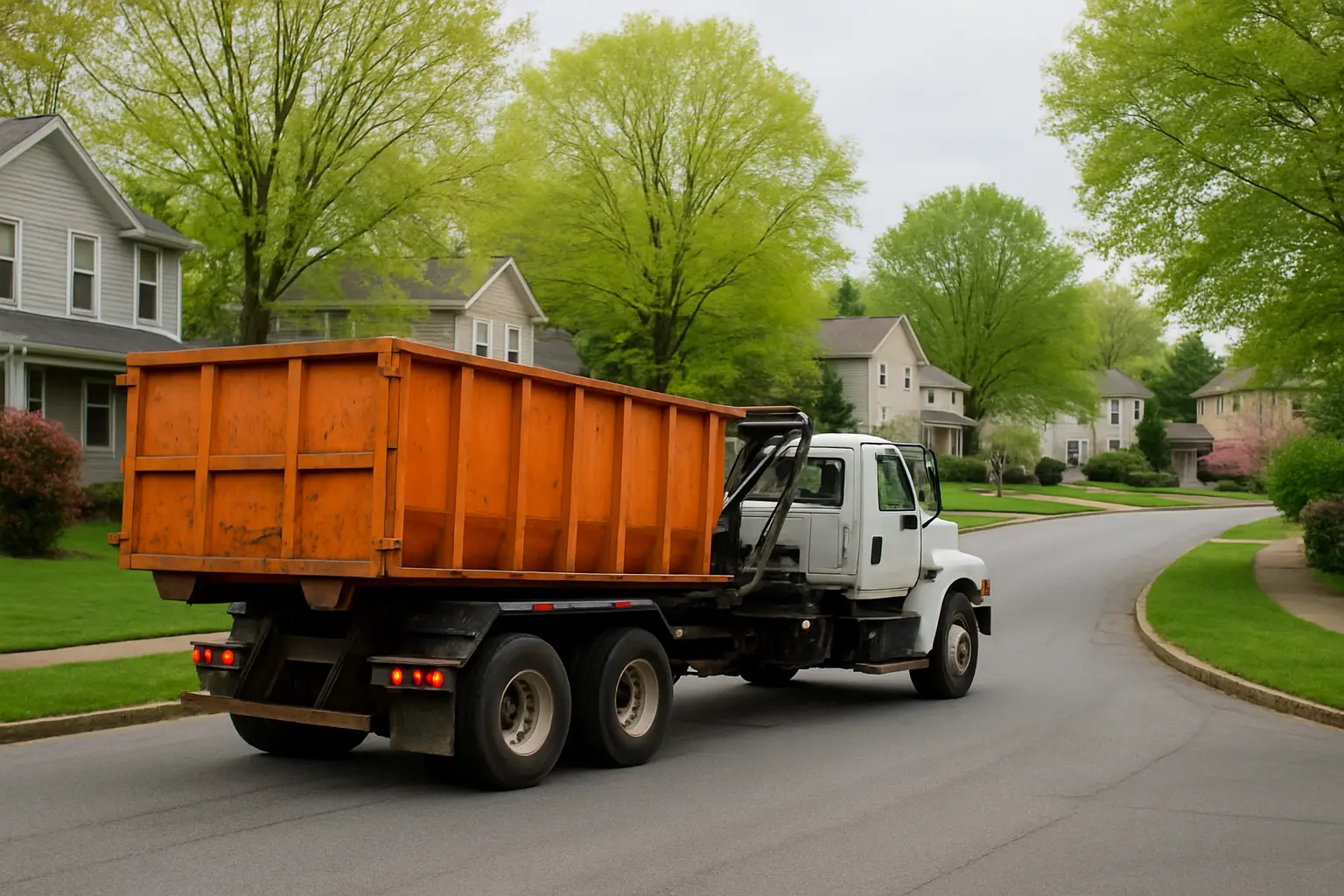
Aria Dumpster Rental provides containers for Philadelphia homeowners, contractors, landlords, and commercial property managers. The work starts before the truck arrives. We ask what material is being loaded, how much space is available, and whether the container belongs on private property or a public street. That prevents a common mistake: choosing a large box that cannot be placed safely or legally. Philadelphia has narrow rowhouse streets, compact driveways, older sidewalks, and busy commercial corridors, so placement is part of the rental, not an afterthought. We explain the tradeoffs plainly and may recommend a smaller container when it better fits the site.

Since 2017, Aria Dumpster Rental has handled cleanup work across Philadelphia County with a straightforward operating process. Licensed, bonded and insured, we coordinate delivery, placement, loading guidance, and pickup around the actual work. Photo-confirmed placement and pickup windows give the customer a record of what was scheduled and where the container was set. That matters when several trades share a property or when a rowhouse project leaves little room for error. Service runs 24/7, Monday to Sunday, and the phone conversation covers material, access, location, and the date the container needs to be available.
Dumpster options

Philadelphia containers for cleanup and construction

A container should match the material first and the volume second. These common project types help narrow the choice before we discuss access and placement.

  • Household Cleanout Dumpsters

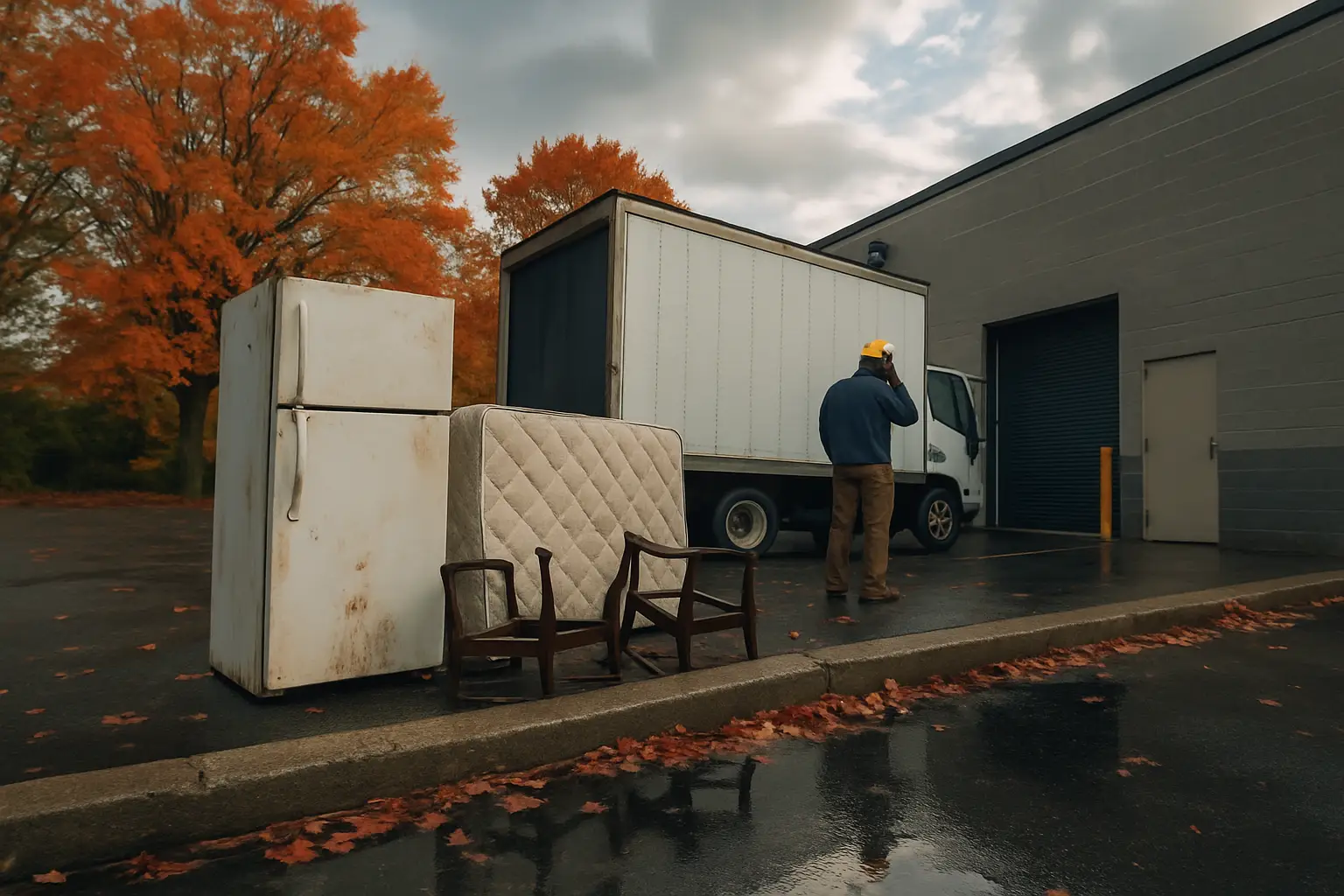
    Use a household cleanout container for furniture, boxes, worn fixtures, and general contents from a move or property reset. Philadelphia rowhomes often require staged loading because stairs and narrow side passages limit access. Keep reusable, hazardous, and restricted materials separate before delivery.

    Home cleanouts
  • Garage and Basement Dumpsters

    Garage and basement work can produce dense debris, shelving, old appliances, and accumulated household goods. A smaller container may suit a focused cleanout, while a larger one helps with a full property reset. Tell us about stairs, alley access, and the loading path.

    Dense household debris
  • Moving and Estate Cleanup

    Moving and estate projects often combine furniture, clothing, kitchen items, paper, and damaged fixtures. Sorting before loading saves room and avoids mixing materials that should be handled separately. We can discuss container size, driveway clearance, and pickup timing for occupied or vacant Philadelphia properties.

    Property transitions
  • Renovation Debris Dumpsters

    Renovation debris changes quickly as cabinets, drywall, flooring, trim, and fixtures come out. Dense materials can make a container heavy before it looks full. We help separate volume from weight so a bathroom, kitchen, or multi-room renovation gets a workable size.

    Remodeling waste
  • Yard Waste Dumpsters

    Yard cleanup may involve branches, brush, soil, leaves, and old landscape materials, each with different loading and disposal considerations. Philadelphia lots vary from small fenced yards to larger suburban-style parcels. Describe the material plainly so the container is not overloaded with dense dirt.

    Outdoor cleanup
  • Same-Day Dumpster Delivery

    Same-day delivery may be possible when the right container and safe placement are available, but it depends on current routing, access, and material details. Do not build a demolition schedule around an unconfirmed arrival. Have the address, placement surface, size, and project type ready.

    Urgent scheduling
  • Roofing Dumpsters

    Roofing debris is heavy and compact, especially shingles layered with felt, flashing, and damaged wood. The container needs a stable placement area and enough overhead clearance for the delivery equipment. Protect driveways where appropriate and keep tear-off material inside the fill line.

    Roof tear-off
  • Construction Dumpsters

    Construction sites may generate lumber, drywall, concrete fragments, packaging, and mixed renovation debris. Separate unusually heavy material before loading because a container can reach its safe weight before its walls look full. We coordinate placement around equipment, workers, gates, and changing site conditions.

    Jobsite debris
  • Commercial Dumpster Service

    Commercial properties need a placement plan that protects entrances, loading zones, fire access, and customer movement. Aria Dumpster Rental can discuss recurring or project-based needs, pickup coordination, and the material profile. Share the site layout and operating constraints before the container is dispatched.

    Commercial projects

Related cleanup work

Some projects need more than a container

How scheduling works

A clear plan prevents placement problems

  1. Describe the project

    Start with the address, project type, material, and approximate amount. Mention roofing, concrete, soil, appliances, or other dense items because they affect the recommendation differently from ordinary household debris. A plain description is more useful than guessing a container size.

  2. Review access and placement

    We discuss where the container can sit, how the truck will approach, and what must remain clear. Share driveway width, alley conditions, overhead branches, gates, parked cars, and nearby sidewalks. Philadelphia streets can leave little room for a late placement change.

  3. Choose a workable size

    The selected container should hold the expected volume without creating an unsafe load. We compare the project material with the available footprint and loading route. If a smaller option is sufficient, we will say so rather than pushing a larger rental.

  4. Confirm the delivery window

    Placement and pickup windows are confirmed around the project schedule, access conditions, and route requirements. Photo confirmation records the delivered location. Keep the approach clear and make sure anyone managing the property knows where the container will sit.

  5. Load and coordinate pickup

    Load evenly, keep debris below the fill line, and avoid materials that were not discussed. When the work is complete, coordinate pickup before the container becomes an obstruction. Tell us if the project changes so the next step can be adjusted safely.

Why local details matter

The rental decision starts with the property

  1. Placement is checked before dispatch

    A container is only useful if the truck can reach the proposed location and set it down without blocking a gate, sidewalk, garage, loading area, or essential access. We ask about surface, clearance, approach, and street conditions before dispatch. That is especially useful around Philadelphia rowhouses, narrow alleys, compact driveways, and active commercial blocks where a last-minute obstruction can stop the job.

  2. Material changes the recommendation

    A container full of shingles, masonry, soil, or wet debris behaves differently from one holding boxes and light household contents. Volume alone does not tell the whole story. We ask what is being removed, identify dense materials, and explain when a smaller container is the sensible choice. That keeps the loading plan realistic and reduces the chance of a box becoming too heavy before it is full.

  3. The record follows the delivery

    Aria Dumpster Rental uses photo-confirmed placement and pickup windows so the scheduled location and coordination details are easier to verify. This is useful when a contractor, tenant, landlord, and property manager are not standing together at delivery. The process does not replace good site preparation, but it gives everyone a clearer reference for where the container was placed and when pickup was arranged.

Working standards

What customers can expect from the crew

  • Every recommendation starts with the material, access conditions, and intended placement area.
  • We explain when a smaller container makes better financial and practical sense.
  • Licensed, bonded and insured service supports residential, commercial, and construction projects.
  • Photo records document placement details after the container reaches the property.
  • Pickup coordination accounts for changing work conditions and site access.
  • Dense materials receive special attention because full does not always mean heavy.
  • Philadelphia street placement is discussed before any container is assigned.
  • Availability is 24/7, Monday to Sunday, for planning around real project schedules.

Placement planning

Where a Philadelphia container can safely sit

On Philadelphia properties, the easiest placement is usually a stable private surface with a straight approach, enough overhead clearance, and room for the delivery truck to align. A driveway may work, but check garage doors, retaining edges, gates, parked vehicles, and soft ground after rain. Rowhouse streets often have tight curb space, active parking, sidewalks, and utility lines, so a public-street placement usually needs town permission first. Tell us where it has to sit and we will explain what applies. Do not place anything beneath low branches or across a route needed by residents, customers, emergency access, or other contractors. The driver needs a clear approach, not merely an empty final footprint.

Before delivery, move vehicles and loose objects from the approach, unlock gates, trim or identify low branches, and tell us about steep grades or unusual surfaces. The truck needs enough room to enter, align, lower the container, and leave without crossing fragile ground or striking walls, poles, awnings, or parked cars. In South and West Philadelphia, closely spaced homes can make side access limited. In Northeast sections, wider lots may provide more room but still require attention to curb access and drainage. Wet springs and freeze-thaw conditions can soften shoulders and crack older paving. A placement photo helps confirm the agreed location, but the property owner still needs to keep that location clear throughout the rental.

Size and weight

Philadelphia homes change the size decision

Philadelphia housing stock ranges from compact rowhomes with basements and steep stairs to larger detached properties and commercial conversions. That changes both the amount of debris and how it reaches the container. A kitchen renovation may produce cabinets, counters, flooring, drywall, and fixtures in a tight work zone. A basement cleanout may involve dense shelving, masonry fragments, appliances, and damp contents carried up stairs. Older homes can also contain layers of plaster, wood, and trim that take more labor and space than a modern light-material project. Describe the building type and material mix instead of relying only on the number of rooms being cleared.

Weight matters as much as visible volume. Roofing shingles, concrete, brick, soil, plaster, and wet yard debris can fill a container's safe capacity quickly. Cardboard, furniture, packaging, and light household goods usually occupy more space before reaching the same weight. A larger container is not automatically better when the material is dense or the driveway is narrow. In a rowhome district, a smaller box placed close to the loading route may be more practical than a large box that blocks the street. Separate heavy material, keep the load level, and ask about any item that could be restricted before work begins.

Common questions

Answers before you schedule a container

How much does a dumpster rental cost in Philadelphia?

Dumpster rental cost depends on container size, rental duration, delivery access, pickup needs, material type, and placement conditions. Dense debris may affect the recommendation differently from light household contents. Philadelphia street access, driveway protection, and public placement requirements can also matter. Have the address, project material, preferred location, and timing ready so the estimate reflects the actual job.

What dumpster size do I need for a Philadelphia cleanout?

The right size depends on the amount and weight of furniture, boxes, fixtures, flooring, and other contents. A focused garage or bathroom cleanup may need a smaller container, while a full basement or property cleanout may need more room. Stairs, rowhouse access, and loading distance matter locally. List the rooms, heavy items, and available placement area before choosing.

Can a dumpster go on a Philadelphia street?

A container can sometimes be placed on a public street, but street placement usually needs town permission first and must preserve required access. Aria Dumpster Rental will discuss the proposed location and what may apply. Philadelphia parking, sidewalk width, traffic, and nearby entrances affect the plan. Have the exact frontage, cross street, and preferred placement area ready for the call.

Can I put a dumpster in my driveway?

A driveway is often a practical location when it has stable ground, enough width, overhead clearance, and a clear approach for the delivery truck. Check garage access, gates, slopes, soft edges, and nearby vehicles before scheduling. Older Philadelphia paving and wet ground may need extra care. Tell us the driveway surface, dimensions, and anything that could limit truck access.

How quickly can a dumpster be delivered?

Delivery timing depends on container availability, route conditions, access, placement requirements, and how clearly the project details are confirmed. Same-day service may be possible, but it should not be assumed before the window is confirmed. Philadelphia traffic, parking, and narrow streets can affect routing. Share the address, material, size preference, and desired date when you speak with the crew.

What cannot go in a dumpster?

Restricted materials can include hazardous substances, certain liquids, chemicals, pressurized containers, and other items requiring separate handling. Rules can depend on the material and disposal route, so ask before loading anything questionable. Philadelphia renovation work may uncover old products that need special attention. Set aside paint, chemicals, batteries, and unknown containers, then describe them before delivery.

How should I prepare for dumpster delivery?

Clear the proposed placement area and truck approach, move vehicles, unlock gates, identify low branches, and keep sidewalks and entrances usable. Confirm whether the container will sit on private property or a public street. Philadelphia rowhouse blocks often have limited curb space and parked cars. Provide the address, placement surface, project material, and contact person managing delivery.

Can I rent a dumpster for roofing or construction debris?

Yes, roofing and construction projects can use a dumpster when the container size, placement, and material weight are planned correctly. Shingles, concrete, brick, drywall, lumber, and mixed debris do not load the same way. Philadelphia job sites may also need room for equipment and workers. Explain the tear-off or construction materials, site access, and expected loading method before scheduling.

Plan the pickup

Talk through the site before the truck arrives

Aria Dumpster Rental can review the project, container size, material, placement, and pickup needs with you. Service is available 24/7, Monday to Sunday. A short, specific conversation helps prevent a box that does not fit the driveway, cannot reach the site, or is too small for the debris.

Phone

(267) 489-9261

The call covers your address, material, access, placement, size, delivery window, and pickup coordination.

Availability

24/7
Monday to Sunday, day and night

Have this ready

  • Project address
  • Material being removed
  • Preferred placement area
  • Desired delivery and pickup dates

Where we work

Philadelphia, plus Camden, Collingswood, Gloucester City, Merchantville, Haddon Heights, Haddonfield, Lansdowne, Upper Darby, Cherry Hill and Cinnaminson.

See the full service area list

Start with the material and the access

Tell Aria Dumpster Rental what you are removing, where the container must sit, and how the truck will reach it. We will help compare the available sizes and explain any placement issue before the project gets underway.

Click Here to Call(267) 489-9261

Philadelphia County coverage

Service across Philadelphia and nearby communities

Aria Dumpster Rental serves projects throughout Philadelphia, with coverage extending to Camden, Collingswood, Gloucester City, Merchantville, Haddon Heights, Haddonfield, Lansdowne, Upper Darby, Cherry Hill, and Cinnaminson. This homepage stays focused on Philadelphia placement, housing, streets, and material decisions. If your property is outside the city, share the exact address so access and local placement conditions can be reviewed.

Center CityFishtownManayunkUniversity CitySouth PhiladelphiaNortheast PhiladelphiaGermantownWest Philadelphia

Dumpster Rental in nearby towns

Click Here to Call(267) 489-9261